After 300 failed attempts to relax at home, this smart setup finally gave me my evenings back
You know that feeling—coming home exhausted, only to spend your evening juggling chores, screens, and scattered moments of downtime that don’t actually recharge you? I was stuck in that cycle for years, always trying to unwind but never truly disconnecting. It wasn’t laziness—it was poor timing, bad habits, and a home that worked against me. Then I discovered how smart leisure spaces, designed around real life, can turn fragmented minutes into meaningful rest. What if your home didn’t just shelter you, but actually helped you recover? That’s the quiet promise of smart technology—not flash, not gimmicks, but peace built into your walls, your lights, your routines. And it’s changed everything.
The Myth of “Me Time” in Modern Homes
Let’s be honest—how many times have you said, “I just need some me time,” only to find that moment swallowed by laundry, emails, or the endless scroll on your phone? I used to think that if I could just carve out 20 minutes, I’d finally feel refreshed. But the truth is, it wasn’t the lack of time. It was the lack of space—both physical and mental. My living room doubled as my work-from-home office, my dining table held piles of unpaid bills, and even my favorite armchair came with the unspoken rule: “Don’t get too comfortable, there’s still more to do.”
Rest doesn’t happen in a vacuum. It needs cues. It needs permission. And most of us aren’t giving ourselves either. I remember one night, after a long day of back-to-back Zoom calls, I sat down with a cup of tea, determined to relax. Within three minutes, I was checking work messages. Why? Because my environment didn’t signal “rest.” It signaled “productivity.” The same lamp that lit my morning emails still glared at me in the evening. The same couch where I laughed with my kids was also where I balanced my laptop, stressed over deadlines. No wonder my brain never switched off.
What finally changed was realizing that “me time” isn’t something you find—it’s something you build. It’s not about willpower. It’s about design. When your space pulls you in ten directions, no amount of deep breathing will help. But when your home supports stillness, when it whispers, “You can let go now,” that’s when real rest begins. I didn’t need more time. I needed a different kind of space—one that protected my peace instead of competing for my attention.
Why Fragmented Time Doesn’t Have to Mean Fragmented Rest
We’ve been sold a lie: that real relaxation only happens in long, uninterrupted stretches. A bubble bath that lasts an hour. A full novel read in one sitting. A weekend getaway. But most of us don’t live that life. We live in the in-between—the 10 minutes after the kids are asleep, the 15 minutes before dinner finishes cooking, the quiet pause between one task and the next. And for years, I dismissed those moments as too small to matter.
Then I started thinking differently. What if those slivers aren’t the problem—but the solution? What if we don’t need more time, but better quality in the time we already have? I began experimenting with micro-rituals—tiny, intentional practices that could turn even five minutes into something meaningful. The key? Consistency and context. I didn’t just sit down and hope to relax. I created signals—triggers that told my brain: “This time is different.”
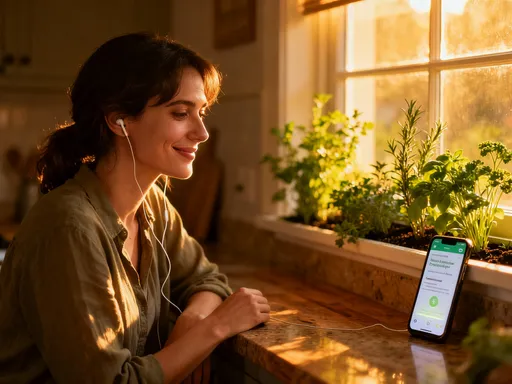
One of the first things I tried was a simple playlist. Not just any music—something warm, slow, and familiar. I called it “Evening Drift” and set it to play every night at 7:00. At first, it felt silly. But within days, I noticed something: the moment the first notes played, my shoulders dropped. My breathing slowed. It wasn’t the music alone—it was the repetition, the ritual. My body began to associate that sound with safety, with permission to let go.
Then I added smart lighting. With a single tap on my phone, the lights in my living room shifted from bright white to a soft, warm glow—like candlelight, but without the fire hazard. I paired it with a “do not disturb” mode on my phone, silencing everything except calls from family. These weren’t grand gestures. But together, they created a container—a protected pocket of time where I could actually breathe. And that made all the difference.
Building a Smart Leisure Zone That Actually Works
I didn’t start with a full home overhaul. That would’ve been overwhelming—and expensive. Instead, I picked one corner of my living room, the spot where I usually sat in the evenings, and asked myself: “What would make this place feel like a true retreat?” Not a tech showroom. Not a gadget playground. A real, usable sanctuary.
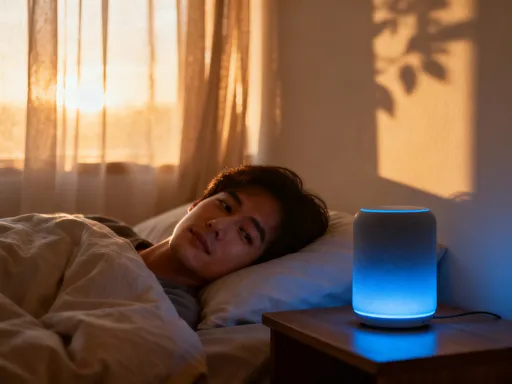
The first thing I added was a voice-controlled speaker. I know it sounds basic, but being able to say, “Play calming jazz,” without reaching for my phone, removed a tiny friction that I hadn’t even noticed before. No more unlocking, scrolling, selecting. Just sound—immediately. It sounds small, but those little delays add up. When relaxation feels like work, we stop doing it.
Next came smart blinds. I used to leave them open at night, but the streetlights and passing cars made the room feel exposed. With automated blinds, I programmed them to close at sunset. The change was instant—my space felt cozier, more private. And because they closed at the same time every evening, it became a signal: “The day is ending. It’s time to slow down.”
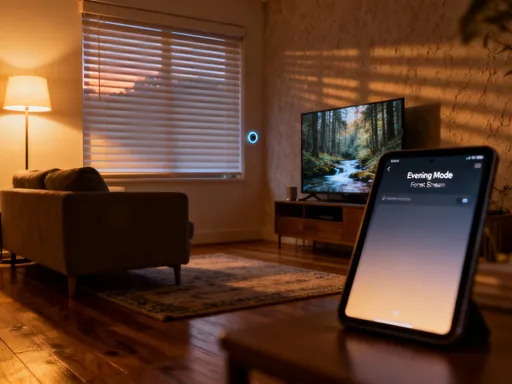
Then I set up a tablet with a simple dashboard. One tap turned on the lights, started the music, activated “do not disturb,” and even dimmed the TV if it was on. I called it my “Evening Mode.” No more juggling five different apps. No more remembering what to turn off. It was all bundled into one intentional act. The goal wasn’t to impress anyone with how high-tech my home was. It was to make rest easier than distraction. Because if unwinding takes effort, we’ll always choose the path of least resistance—and that’s usually more screen time.
How My Evenings Transformed—One Ritual at a Time
The first week, it felt a little robotic. At 7:00 p.m., the lights dimmed, the music started, and I’d sit there thinking, “Okay, now relax.” It didn’t always work. Sometimes I’d still grab my phone. Sometimes I’d get up to check on dinner or answer a text. But I kept going. I treated it like building a muscle—small, consistent reps, even when it didn’t feel natural.
Then, around week three, something shifted. I walked into the living room, and before I even touched anything, I noticed how different it felt. The lighting was already warm. The air was still. And I realized—I was looking forward to this time. Not because I had to, but because I wanted to. That was the first real win. Rest wasn’t something I was forcing myself to do. It was something I was choosing, something I craved.
One night, I sat down with a book—something I hadn’t finished in years because I was always too tired or too distracted. But this time, I read for 20 minutes straight. No checking my phone. No jumping up to do “one more thing.” Just reading. And when I closed the book, I didn’t feel guilty for not being productive. I felt nourished. That’s when it hit me: I wasn’t just changing my routine. I was changing my relationship with time.
Now, when the lights shift and the music starts, my body knows what’s coming. It’s like a bedtime routine for adults. And the best part? I don’t have to think about it. The system does the work. I just show up. That’s the power of intentionality—when your environment supports your goals, you don’t have to fight yourself anymore.
The Hidden Power of Context-Aware Comfort
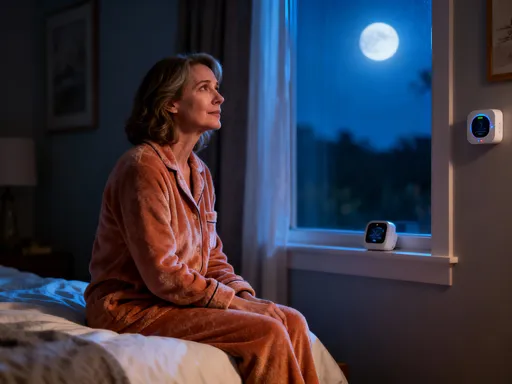
The next level came when I added motion sensors. At first, I was skeptical. Would it feel intrusive? Would it make my home feel like a robot? But the reality was the opposite. I programmed a sensor near my favorite chair to detect when I sat down after 6 p.m. If I did, it automatically dimmed the lights, lowered the TV volume, and activated a white noise sound on the speaker—just enough to soften outside noises without being distracting.
What surprised me was how much safer I felt. Not physically—but mentally. It was like my home was watching out for me, protecting my downtime. I didn’t have to remember to set boundaries. The space did it for me. One evening, I came home stressed after a tough day. I sat on the couch, and within seconds, the lights softened, the music began, and the world outside faded. I didn’t plan it. I didn’t even think about it. But my home responded like it knew I needed it.
That’s the magic of context-aware technology—not flashy, not loud, but quietly responsive. It’s not about replacing human intuition. It’s about amplifying it. By building small, thoughtful behaviors into my environment, I created a space that adapts to my needs, not the other way around. And that’s made all the difference in how I experience rest.
Balancing Tech and Touch in a Digital Home
I’ll admit, I was worried that adding all this tech would make my home feel cold, sterile, like a lab instead of a living space. But the opposite happened. By letting technology handle the logistics—lighting, sound, notifications—I was freer to be human. I could stretch on the floor without worrying about turning off the lights. I could journal without my phone buzzing. I could just sit, quietly, and feel the weight of the day lift.
The warmth didn’t come from the devices. It came from what they made space for. I started lighting candles again—not because I needed the light, but because I wanted the ritual. I brought in soft blankets, a favorite mug, a small plant. The tech didn’t replace coziness. It protected it. It ensured that those small, beautiful moments weren’t stolen by distractions.
One of my favorite new habits is sipping tea while watching the rain. I used to miss these moments because I was too busy or too distracted. Now, I have a “Rainy Evening” scene on my tablet. With one tap, the lights go low, the sound of gentle rain plays softly, and my phone goes silent. It’s not about escaping reality. It’s about deepening my experience of it. Technology, when used with care, doesn’t pull us away from life—it helps us show up for it.
Creating a Sustainable Routine That Sticks
Of course, it hasn’t been perfect. There have been nights when the Wi-Fi dropped, when the lights didn’t dim, when the kids ran in screaming and the moment was gone. And that’s okay. The goal wasn’t to create a flawless system. It was to create a framework—a net to catch those precious moments of peace when life allows them.
What’s made this routine last is flexibility. I’ve adjusted the timing, simplified the steps, even turned things off when they felt like too much. The key was focusing on how each change made me feel—not how “smart” it looked. If a feature didn’t bring calm, I removed it. If a ritual felt forced, I tweaked it. This wasn’t about building a perfect tech setup. It was about building a better version of my day.
Over time, something subtle but powerful happened: rest stopped feeling like a luxury. It became a normal part of my rhythm, like brushing my teeth or making coffee. I didn’t have to earn it. I didn’t have to fight for it. It was just there, built into the flow of my life. And that’s when I realized how much I’d been missing—not just the relaxation, but the sense of control, the quiet joy of feeling present in my own home.
Now, when people ask how I manage to stay calm, how I find time for myself, I don’t talk about productivity hacks or time management. I talk about lighting, music, and the power of a well-timed “do not disturb” mode. I tell them about the corner of my living room that’s become my sanctuary. And I remind them: you don’t need a big budget or a tech degree. You just need to start small, with one change that makes rest a little easier than distraction.
This isn’t about turning your home into a futuristic showroom. It’s about using technology to reclaim what matters—your energy, your focus, your peace. Because you deserve to come home and feel like you can finally breathe. And if it can happen in my messy, ordinary life—with kids, chores, and a never-ending to-do list—then it can happen for you too. You don’t need more time. You just need a home that helps you use the time you already have.”