What If Your Photos Could Help You Eat Better—And Save Hours Every Week?
How many times have you stared into the fridge, unsure what to cook—only to realize you forgot half the groceries you already bought? Or spent hours meal prepping, only to waste food days later? What if the answer isn’t another diet app, but something you already use every day: your photo gallery? Turns out, organizing your food photos isn’t just satisfying—it can transform how you eat, shop, and manage time. Let’s explore how a simple habit shift can bring clarity, cut clutter, and put healthier meals on your table, effortlessly.
The Hidden Chaos in Your Phone (And Your Kitchen)
Let’s be honest—how many of us actually go back and look at the food photos we take? You snap a picture of last night’s roasted vegetables because they looked so good on the plate. You photograph your grocery cart full of fresh produce, proud of your choices. Maybe you even take a quick shot of your meal prep containers lined up in the fridge, thinking, Okay, I’ve got this week covered. But then… life happens. The photos get buried under selfies, screenshots, and videos of the dog doing something cute. They fade into the digital background, forgotten.
And here’s the thing: that clutter in your phone? It’s a mirror of what’s happening in your kitchen. The forgotten broccoli wilting in the crisper? The half-used jar of pesto hiding behind the milk? The duplicate purchase of almond milk because you couldn’t remember if you already bought it? That’s not just bad luck. It’s a sign that your system—or lack of one—is working against you. Every time you stand in front of the fridge with no plan, you’re not just wasting time. You’re adding to the mental load that so many of us carry every single day.
I remember one Tuesday evening when I was exhausted, my youngest had a soccer game, and my husband texted that he’d be late. I opened the fridge, stared blankly at the contents, and ended up ordering pizza—again. Later, while scrolling through my phone, I saw a photo I’d taken just two days earlier: a beautifully arranged sheet pan of salmon and sweet potatoes. I had the ingredients. I had the recipe. I even had the energy to cook it… if only I’d remembered. That moment hit me hard. My phone wasn’t helping me—it was hiding the answers I already had. The photos were there, but without organization, they were useless. They weren’t reminders. They weren’t inspiration. They were just digital clutter.
And I’m not alone. So many women I talk to feel overwhelmed by the daily grind of feeding their families, staying healthy, and not wasting money or food. We’re told to meal plan, to track calories, to buy new apps, to follow complex systems. But what if the tool we need isn’t something we have to download or pay for? What if it’s already in our hands—literally? The truth is, we’re already documenting our food lives. We just haven’t learned how to use that data in a way that serves us. When we stop seeing our photo gallery as a random collection of moments and start seeing it as a visual record of our habits, everything changes.
From Snap to Strategy: How Photo Organization Becomes Time Management
Here’s where it gets interesting. Organizing your food photos isn’t about creating a perfect Instagram feed. It’s not about aesthetics. It’s about turning passive snapshots into active tools. Think of it like this: every photo you take of your meals, groceries, or fridge is a tiny piece of information. On its own, it doesn’t mean much. But when you start grouping them—by meal, by day, by ingredient—you begin to see patterns. And patterns are power.
Take meal planning, for example. Most of us dread it. We sit down with a notebook or an app, trying to come up with five or seven dinners out of thin air. We forget what we liked last week. We overlook what’s already in the pantry. We end up defaulting to the same three recipes or giving up altogether. But what if, instead of starting from scratch, you could look back at your ‘Meals I Loved’ album and see exactly what worked? Imagine scrolling through photos of that creamy lentil soup, the one your kids actually asked for seconds of, or the stir-fry that took 20 minutes and used up three leftover veggies. Suddenly, planning isn’t guesswork. It’s memory made visible.
And here’s the time-saving secret: when you can see what you’ve already cooked, you repeat what works. Repetition isn’t boring—it’s efficient. It means less decision fatigue, fewer trips to the store, and more confidence in the kitchen. One mom I spoke with told me she used to spend two hours every Sunday planning meals and writing lists. Now, she spends ten minutes reviewing her food photos from the week, picks three or four winners, and builds her grocery list around them. She’s saving over an hour a week—and her family eats better because they’re eating meals they actually enjoy.
But it goes beyond meals. Have you ever bought the same thing twice because you couldn’t remember if you had it at home? I’ve done it with olive oil, frozen berries, even toilet paper. By tagging or organizing your grocery haul photos—yes, those proud shots of your full cart—you create a visual inventory. Before you shop, you can quickly check your ‘Last Grocery Trip’ album. Did you buy carrots? Was there a bag of spinach in there? You don’t need a fancy app. You just need to be able to see it. This simple act cuts down on duplicate purchases, reduces food waste, and keeps your budget in check. It’s not magic. It’s just smart use of what you’re already doing.
Your Gallery as a Diet Coach: Seeing Is Eating Smarter
Now, let’s talk about health. If you’ve ever tried to eat better, you know how hard it is to stay consistent. Diets come and go. Apps promise results but often feel like homework. Counting calories, weighing portions, logging every bite—it’s exhausting. And for so many of us, it’s unsustainable. But what if you could track your eating habits without any numbers at all?
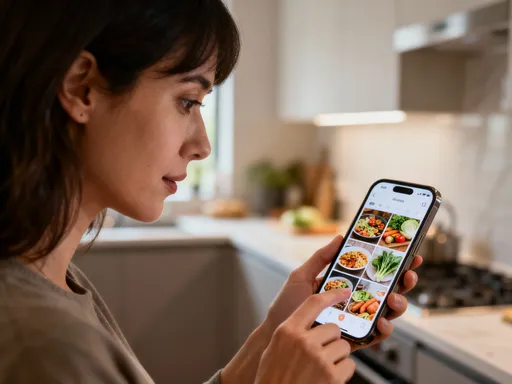
That’s the power of visual tracking. When you look at a week’s worth of meal photos laid out in an album, you start to notice things. Maybe you see that three out of seven dinners were takeout. Or that you’re not including enough colorful vegetables. Or that your energy dips every afternoon, and your photo timeline shows a pattern of sugary snacks around 3 PM. You don’t need a nutritionist to point this out. Your eyes do it for you.
I started doing this when I wanted to feel more energized during the day. I created an album called ‘My Daily Meals’ and committed to adding at least one photo from each meal. After two weeks, I looked back and saw a clear pattern: on days when I ate a protein-rich breakfast, like eggs or Greek yogurt, I felt more focused and didn’t reach for snacks before lunch. On days when I skipped breakfast or grabbed a muffin on the go, I crashed by 10:30. The photos didn’t lie. And because I wasn’t judging myself—just observing—I felt motivated, not guilty.
This is the beauty of using your gallery as a diet coach: it’s non-judgmental. It doesn’t tell you what to eat. It just shows you what you’re eating. And that awareness is where change begins. You might notice that your family eats more vegetables when you roast them instead of steaming them. Or that your partner is more likely to pack a healthy lunch when you prep jars of quinoa salad on Sundays. These aren’t rules. They’re insights. And when you act on them, you’re not following a diet—you’re making smarter choices based on real evidence.
For women managing health goals—whether it’s weight, digestion, energy, or blood sugar—this method is especially helpful. It’s gentle. It’s flexible. It fits into real life. You don’t have to log anything. You don’t have to buy anything. You just have to look. And sometimes, seeing is the first step to changing.
The 10-Minute Weekly Reset: A Simple Habit That Changes Everything
Okay, so how do you actually do this without adding more to your plate? The key is simplicity. You don’t need to spend hours sorting photos. You don’t need to be tech-savvy. All you need is ten minutes once a week—yes, just ten—and a clear system.
Here’s how I do it: every Sunday morning, while my coffee brews, I sit down with my phone. I open my photo library and go through the last seven days. I look for food-related photos—meals, snacks, groceries, fridge shots. As I go, I create or update a few simple albums. I have ‘Meals I Loved,’ where I save photos of dishes that were hits. I have ‘Leftover Ideas,’ where I store pictures of extra portions with quick notes like ‘add to salad’ or ‘freeze for soup.’ I have ‘Grocery Receipts,’ where I keep photos of my store trips—this helps me track spending and remember what I bought. And I have a ‘Try Next Week’ album for recipes I see online or in magazines.
This process takes me about ten minutes. No more. And in that short time, I gain so much clarity. I can see what meals worked, what ingredients I used up, and what I need to buy. I don’t have to wonder what to cook on Wednesday night—I can glance at my ‘Meals I Loved’ album and pick something that’s already proven to be a winner. I don’t have to worry about wasting food—I’ve already planned how to use those extra roasted vegetables.
One of my friends uses a slightly different system. She shares a photo album with her husband. Every time she cooks a meal the family enjoys, she adds it to their shared ‘Family Favorites’ album. On weekends, they both look through it together and decide what to repeat. It’s become a sweet little ritual—and it’s taken the stress out of dinner planning. No more ‘What should we have?’ debates. No more eye-rolling from the kids. Just a quick scroll and a decision made.
The beauty of this habit is that it replaces more complicated systems. You don’t need a meal planning app with push notifications. You don’t need a printed calendar on the fridge. You don’t need to write lists or track macros. You just need your phone and a few minutes. And once it becomes routine, it feels less like a chore and more like a moment of calm—a chance to reflect, reset, and prepare for the week ahead.
Beyond the Fridge: How This Habit Improves Family Routines and Peace of Mind
This isn’t just about food. It’s about family life. When one person in the household has a clear system, it creates ripple effects. I’ve seen it in my own home and heard it from so many other moms. When I started organizing my food photos, my husband noticed. He started asking, ‘What’s for dinner this week?’ and actually looking at the meals I’d planned. My kids began recognizing the routine—‘Oh, it’s Sunday. Mom’s doing her photo thing.’ And slowly, we all became more in sync.
One of the biggest changes? Fewer last-minute takeout nights. Before, if I was tired or unprepared, we’d default to pizza or delivery. Now, because I can see what’s already been cooked and what’s in the fridge, I can usually pull something together—even if it’s simple. And when I do need a backup plan, I have a ‘Quick Meals’ album with photos of 20-minute recipes we love. It’s not about being perfect. It’s about having options.
But the real win is the peace of mind. There’s less stress around mealtimes. Less guilt about not cooking from scratch every night. Less frustration when plans change. Because I’m not starting from zero. I have a visual record of what works. I have a system that adapts to real life. And that makes all the difference.
I’ve also seen this work in blended families and households with busy schedules. One woman told me she uses a shared album to coordinate with her teenage daughter, who’s learning to cook. They add photos of meals they’ve made together, and it’s become a way for them to connect. Another mom uses it to plan meals around her husband’s work schedule—she checks his calendar, then matches meals to his availability. It’s not about control. It’s about teamwork.
And let’s not forget the emotional side. Food is tied to love, care, and memory. When we cook for our families, we’re saying, ‘I see you. I’m taking care of you.’ But that act can feel thankless when it’s chaotic or repetitive. By using our photos to create more intention, we’re not just feeding bodies—we’re nurturing relationships. We’re creating moments of calm in a busy world. We’re showing up, not just physically, but mentally and emotionally.
Choosing the Right Tools—Without the App Overload
Now, you might be wondering—do I need a special app for this? The answer is no. In fact, I’d argue that using another app might make it harder. We’re already overwhelmed by notifications, subscriptions, and digital clutter. The last thing we need is one more thing to manage.
Instead, use what you already have. If you have an iPhone, Apple Photos has powerful tools. You can create albums, add keywords, and even search for terms like ‘dinner’ or ‘vegetables.’ If you’re on Android, Google Photos offers similar features—face grouping, location tags, and smart search. You can search ‘food’ and it will pull up most of your meal photos automatically. You don’t need to download anything. You don’t need to pay for premium features. You just need to use the tools you already own in a more intentional way.
Here’s a tip: use voice tags. When you take a photo of your grocery haul, say out loud, ‘Grocery trip, June 10.’ The phone will transcribe it, and you’ll be able to search that phrase later. Or label your meal photos with simple words like ‘meal prep,’ ‘leftovers,’ or ‘family dinner.’ These small actions make your photos searchable and useful.
Another trick? Use location sorting. If you always shop at the same grocery store, your phone will tag those photos with the location. You can then search by place and see all your shopping trips in one view. It’s a simple way to track habits without lifting a finger.
The goal isn’t to become a tech expert. It’s to make your technology work for you—quietly, efficiently, and without stress. When you keep the system simple, you’re more likely to stick with it. And when you stick with it, the benefits grow over time.
A Smarter, Lighter Life: When Tech Serves You Instead of Stressing You
At the end of the day, this isn’t really about photos. It’s about reclaiming your time, your energy, and your peace. It’s about using the tools you already have to create a life that feels more manageable, more intentional, and more joyful. Organizing your food photos isn’t a chore. It’s an act of care—for yourself, for your family, for your home.
And the best part? It works quietly. You don’t need to announce it. You don’t need to explain it. You just start. You take your photos. You spend ten minutes a week sorting them. And slowly, you begin to see the patterns, make better choices, and feel more in control.
This is what technology should be—simple, human, and helpful. Not flashy. Not complicated. Just there, supporting you in the background. The next time you take a photo of your meal, don’t just post it or forget it. Save it. Use it. Let it remind you of what’s possible when you pay attention.
Because the truth is, you already have everything you need. Your phone. Your photos. Your memory. Your love for your family. When you align them with a simple system, you don’t just eat better. You live better. And that’s a win worth capturing.