What If Your Phone Could Stop Your Spending Leaks?
We’ve all been there—scanning bank statements in disbelief, wondering where the money went. That coffee here, a subscription there—it adds up fast. But what if your phone, usually the source of distractions, could actually help you take control? Not with complex spreadsheets or guilt trips, but through simple, smart tools that quietly guide better habits. This isn’t about deprivation—it’s about clarity, freedom, and peace of mind. Imagine opening an app and instantly seeing not just numbers, but a clearer picture of your life. What if your phone could finally work for you, not just keep you scrolling?
The Silent Drain: How Small, Mindless Spending Undermines Financial Peace
You’re not careless. You work hard, care about your family, and try to make smart choices. So why does it feel like your paycheck disappears before you even get a chance to breathe? It’s not one big expense that derails most people—it’s the slow, silent drip of small purchases that no one plans for but everyone makes. That $5 latte on the way to drop the kids at school. The online sale you clicked through during nap time. The gym membership you haven’t used in months. They don’t feel like much in the moment, but over time, they chip away at your financial peace like water eroding stone.
And it’s not just about the money. It’s the weight that comes with not knowing. That knot in your stomach when you check your balance and think, How is it already this low? The quiet guilt when you promise yourself you’ll save more, then see another surprise charge. These emotions build up, not from big mistakes, but from a lack of awareness. We’re not taught to track our spending—we’re taught to earn, spend, and hope for the best. But hope isn’t a strategy. And when you’re juggling groceries, school fees, and home repairs, the last thing you need is financial fog.
Here’s the good news: you don’t have to be perfect. You don’t have to live on a strict budget or give up all treats. What you need is clarity. And that’s where your phone—yes, the same one buzzing with notifications and tempting you with ads—can actually become your ally. Because the same technology that distracts you can also help you see clearly. It’s not about shame. It’s about stepping into the light, seeing where your money goes, and making choices that align with what truly matters to you and your family.
Enter the Invisible Assistant: How Expense Tracking Apps Work Without the Hassle
Let’s be honest—most of us don’t want to spend our evenings logging receipts or filling out spreadsheets. That’s why so many budgeting attempts fail. They rely on willpower and time, two things most of us are already short on. But what if you didn’t have to do any of that? What if your phone could quietly track your spending in the background, like a helpful friend who remembers the details so you don’t have to?
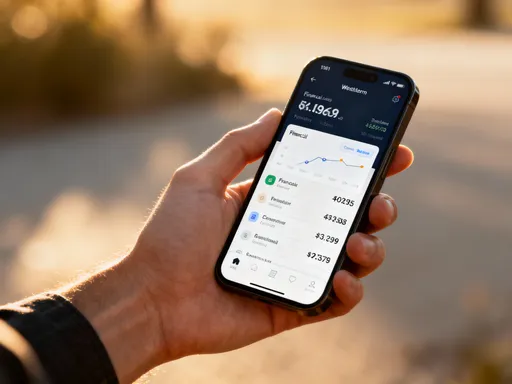
That’s exactly what modern expense tracking apps do. These aren’t clunky tools from the early 2000s. They’re smart, intuitive, and designed for real life. Once you connect your bank account or credit card—securely, more on that later—the app automatically pulls in your transactions. No typing. No scanning. Just real-time updates that show every purchase, grouped into simple categories like groceries, dining out, or subscriptions. Suddenly, that blurry bank statement turns into a clean, easy-to-read dashboard. You can see at a glance where your money is going, and more importantly, where it’s leaking.
And the best part? These apps don’t judge. They don’t scold you for buying takeout after a long day. They just show you the facts. Some even send gentle reminders when you’re nearing a limit you’ve set, like, You’ve spent 85% of your monthly dining budget. No guilt. No pressure. Just awareness. Think of it like a fitness tracker for your finances. You wouldn’t know how many steps you take without one—why treat your money any differently? These tools don’t take control away from you. They give you back control by making the invisible visible. And the more you see, the more empowered you feel to make changes—small ones, big ones, whatever feels right for your life.
From Overwhelm to Control: One Person’s Journey to Financial Clarity
Meet Sarah. She’s a mom of two, works part-time as a virtual assistant, and thought she had a handle on her finances. Then one month, her car broke down, and she realized she didn’t have enough in savings to cover the repair. That moment hit hard. She sat at her kitchen table, phone in hand, scrolling through her bank app with a sinking feeling. Where did it all go? She knew she wasn’t extravagant. But the numbers didn’t lie—she was spending more than she realized, especially on food delivery, online shopping, and subscriptions she forgot she had.
That’s when she downloaded a popular expense tracking app. She was nervous at first—what if it was complicated? What if it made her feel worse? But within minutes, it was connected to her accounts. And when she saw her first spending report, she gasped. I spent how much on coffee this month? She didn’t even realize she was stopping at the drive-thru four times a week. And the subscriptions—$38 a month on apps and services she barely used. It wasn’t one big expense. It was dozens of tiny ones, all adding up without her permission.
But instead of shame, something else happened: curiosity. Then clarity. Then power. She started asking herself questions like, Is this worth it? Does this bring me joy? Can I redirect this money somewhere that matters more? She didn’t cut everything out—she still treats herself sometimes. But now, it’s intentional. She canceled three subscriptions, switched to home coffee most days, and set a weekly dining-out limit. Within two months, she’d saved enough to cover her car repair—and started building a real emergency fund. It wasn’t about being perfect. It was about being aware. And that small shift changed everything.
Making It Stick: Simple Habits That Turn Tracking into Lifestyle
You don’t need to overhaul your life to benefit from expense tracking. In fact, trying to do too much too soon is the fastest way to quit. The key isn’t intensity—it’s consistency. Think of it like starting a new fitness routine. You wouldn’t run ten miles on day one. You start with a walk. Same with your finances. Small, sustainable habits are what create lasting change.
Here’s how to make it work in real life. First, pick one day a week—maybe Sunday morning with your coffee—to check in. Open the app, glance at your spending summary, and ask yourself one simple question: Does this feel aligned with my priorities? That’s it. No pressure to fix everything. Just awareness. Over time, this weekly check-in becomes as natural as checking the weather.
Next, set one small boundary. Maybe it’s a weekly limit on dining out, or a rule to wait 24 hours before any online purchase over $25. Or maybe it’s just turning off notifications for shopping apps during work hours. These aren’t restrictions—they’re choices. And every time you honor one, you’re building financial muscle. You’re also training your brain to pause, reflect, and decide—instead of reacting on autopilot.
And don’t forget to celebrate progress. Did you stay under your grocery budget this week? That’s a win. Did you notice a subscription charge and cancel it? Huge win. These moments build confidence. They remind you that you’re in charge. The app isn’t the hero—it’s the tool. You’re the one making the decisions. And the more you practice, the easier it gets. Soon, checking your spending isn’t a chore. It’s a moment of empowerment. It’s proof that you’re showing up for yourself and your family.
Beyond Budgeting: How Clarity Fuels Bigger Life Goals
Here’s the truth: no one wakes up dreaming of a perfect budget. We dream of freedom. Of security. Of experiences that enrich our lives. A vacation with the kids. A home renovation. A course to learn a new skill. Maybe even starting a small business someday. But those dreams don’t happen in a financial fog. They happen when you have space—both in your bank account and in your mind.
When you stop the silent leaks, you create that space. Every dollar you redirect from forgotten subscriptions or daily takeout isn’t just saved—it’s repurposed. It becomes part of a bigger story. Maybe it’s the down payment on a new washing machine. Maybe it’s the fund for a family trip to the beach. Or maybe it’s simply the peace of knowing you can handle whatever life throws at you. That emotional relief is priceless.
And here’s something most people don’t expect: financial clarity can actually spark creativity. When you’re not constantly worried about money, your mind opens up. You start thinking, What else is possible? One woman I spoke with used her savings to launch a small Etsy shop selling handmade candles. Another started taking online photography classes. These weren’t reckless moves—they were intentional investments in joy and growth, made possible because she finally had a clear picture of her finances.
So this isn’t about cutting back. It’s about moving forward. It’s about aligning your money with your values. And when that happens, your relationship with money changes. It’s no longer a source of stress. It becomes a tool for living the life you want. You start seeing every dollar as a choice—a vote for what matters most. And that shift? That’s where real freedom begins.
Privacy and Trust: Using Apps Safely Without Sacrificing Security
I get it. The idea of linking your bank account to an app can feel scary. You’ve worked hard for your money. You don’t want to risk it. And you shouldn’t have to choose between financial clarity and security. The good news? Reputable expense tracking apps take your privacy seriously. They use bank-level encryption—the same kind your financial institution uses—to protect your data. That means your information is scrambled and unreadable to anyone who might try to access it.
Most of these apps also use a method called read-only access. That means the app can see your transactions, but it can’t move money, make payments, or change your account details. Think of it like giving someone a copy of your bank statement—they can read it, but they can’t touch anything. You’re still in full control.
Still, it’s smart to be careful. Stick to well-known apps with strong reputations—ones you’ve heard of or that come recommended by trusted sources. Read the permissions before you connect, and avoid apps that ask for more than they need. And never download financial apps from outside official stores like the Apple App Store or Google Play. A little caution goes a long way.
Also, consider enabling two-factor authentication on both your bank accounts and the app itself. It’s an extra step, but it adds a powerful layer of protection. And if something ever feels off—a strange charge, an unfamiliar login—most apps make it easy to disconnect and reach customer support. Your peace of mind matters. So take your time. Do your research. And remember: using technology to manage your money doesn’t mean giving up control. It means using smart tools to protect what you’ve built.
Your Financial Peace Starts with One Tap
Let’s go back to that moment—the one we started with. You’re sitting at the kitchen table, phone in hand, staring at your bank balance. But this time, it’s different. You open your expense tracking app, and instead of dread, you feel calm. You see your spending, clear and organized. You know where your money went. You know where it’s going. And you feel, for the first time in a long time, like you’re in control.
That shift didn’t happen overnight. It started with one small decision: to see. To know. To choose. And every time you checked the app, set a limit, or paused before a purchase, you reinforced that choice. You weren’t just tracking dollars—you were building confidence, clarity, and peace.
Technology doesn’t have to pull us away from what matters. Used wisely, it can bring us closer. It can help us care for ourselves, our families, and our futures. Your phone doesn’t have to be a source of distraction. It can be a tool for intention. A quiet companion on your journey toward a calmer, more confident financial life.
So what if your phone could stop your spending leaks? It can. And it can do even more—it can help you build a life where money isn’t a source of stress, but a reflection of your values. All it takes is one tap. One decision. One moment of courage to say, I’m ready to see clearly. And from there, everything changes.