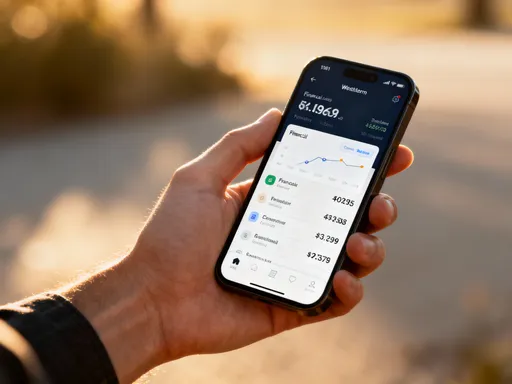
Saved $1,300 in 6 months: How personalized cashback apps quietly changed my spending
Have you ever looked at your bank statement and wondered, “Where did all that money go?” I did—until I discovered how smart cashback apps could actually listen to my habits. These aren’t just generic discount tools; they learn what you buy, when you shop, and even predict your needs. Over time, they turn everyday purchases into real savings—without extra effort. Let me tell you how one small change helped me keep more money without feeling deprived. It wasn’t about cutting out lattes or saying no to birthday gifts. It was about working with my routine, not against it. And the best part? I didn’t have to become a finance expert or spend hours budgeting spreadsheets. The tech did the thinking—so I could just live.
The Moment I Realized My Shopping Was Leaking Money
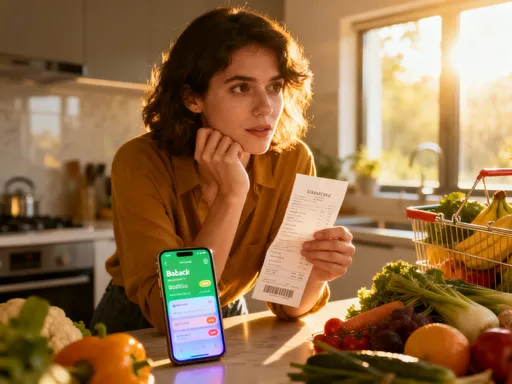
It was a Tuesday evening, and I was standing in my kitchen, sorting through the day’s receipts like they held some kind of secret code. There it was again—a $28 charge from the drugstore. I remembered grabbing shampoo, a pack of batteries, and that fancy hand cream I told myself I’d only buy “once in a while.” But honestly? It felt like once a week. I stared at the number, and a familiar wave of guilt rolled in. Not because I didn’t deserve nice things, but because I hadn’t planned for this. It just… happened. Again.
I’ve always considered myself careful with money. I pack school lunches, compare prices online, and avoid shopping when I’m hungry. But still, every month, a chunk of cash slipped through the cracks—tiny purchases, scattered across grocery runs, gas stops, and quick online orders. I tried budgeting apps before, but they made me feel like I was being scolded. Every alert felt like a red X over something I’d done wrong. “You’ve exceeded your coffee budget.” “Another delivery order?” It wasn’t motivating—it was exhausting.
Then a friend mentioned she’d been using a cashback app that actually felt helpful, not harsh. “It’s like having a shopping buddy who remembers what you like,” she said. That stuck with me. I didn’t need another judge; I needed a teammate. So I downloaded one and linked it to my debit card. I didn’t expect much—just maybe a few dollars back here and there. But within a week, I got a notification: “You usually buy laundry detergent on Thursdays. Here’s 8% back at your favorite store.” I blinked. How did it know? And more importantly—why had no one told me about this sooner?
From Generic Deals to Apps That Know Me
At first, I thought all cashback apps were the same—random pop-ups for things like scented candles or protein powder I’d never use. I’d open them, scroll, shrug, and close. Nothing felt relevant. But the one my friend recommended was different. Instead of pushing deals, it started observing. It didn’t ask me to change my habits. It just noticed them.
After a few weeks, I began to see patterns in the offers. Every Monday morning, a reminder popped up: “Coffee run? Get 5% back at your usual café.” I do stop by that place every Monday—it’s on the way to dropping the kids at school. Another time, I got a targeted offer for pet food the day before I typically restock. Not two weeks before. Not a week after. Exactly when I needed it. It felt less like advertising and more like assistance.
I asked around and learned that these apps use something called machine learning—basically, a smart system that studies your purchase history over time. It doesn’t just see transactions; it sees routines. Going to the same grocery store every Saturday? Buying school supplies every August? Picking up allergy meds every spring? The app connects those dots quietly, behind the scenes. And instead of bombarding you with irrelevant coupons, it waits for the right moment to say, “Hey, you’re about to make this purchase anyway—why not get a little back?”
What surprised me most was how quickly it adapted. When I started buying organic snacks for my daughter’s new dietary needs, the app picked it up within two shopping trips. Soon, I was getting cashback offers for the exact brands we’d started using. It wasn’t magic. It was just technology finally working in a way that felt human—attentive, not invasive.
How Personalization Turns Small Buys into Big Savings
At first, the savings felt too small to matter. $1.50 back on coffee? $3 on groceries? But then I started seeing how these little wins added up—especially when they helped me make smarter choices. One rainy Thursday, I was about to click “buy now” on a last-minute online grocery order. My cart was full of convenience items—pre-cut veggies, fancy cheese, a dessert I didn’t really need. Then my phone buzzed: “Your usual supermarket has 6% back today. Shop in-store for maximum rewards.”
That tiny nudge changed everything. I canceled the delivery and drove to the store instead. Because I was there, I stuck to my list. I didn’t wander the aisles or grab impulse buys near the register. And that week, I saved $40—not just from the cashback, but from avoiding the delivery fee and overspending online. The app didn’t stop me from buying what I needed. It just helped me do it better.
Then there was gas. I have a 20-minute commute, and fuel costs had been eating into my budget. But the app started noticing my refueling pattern—every 11 days, always at the same station. Then one morning, I got an alert: “Save 12 cents per gallon at the station two blocks earlier on your route.” I’d never noticed that station before. But I tried it, and the price was indeed lower. Over three months, that small detour saved me over $90. Not life-changing, but meaningful—especially when combined with other wins.
One of my favorite moments was around Mother’s Day. I’d forgotten to start shopping—again—and was about to panic-buy something online. But the app sent a reminder: “Your mom usually gets a floral scarf in May. Shop early for 10% back.” I laughed out loud. It remembered! And because I shopped two weeks early, I found a better deal, avoided shipping fees, and actually enjoyed the process. That $18 cashback felt like a high-five from my phone.
These weren’t isolated wins. They formed a rhythm. Coffee, groceries, gas, gifts—each purchase became a small opportunity to earn back a piece of my budget. And because the app fit into my life instead of disrupting it, I didn’t burn out. I didn’t have to remember anything. It was like having a quiet partner in my pocket, gently helping me keep more of what I earned.
Making It Work: Setting Up My Cashback Routine
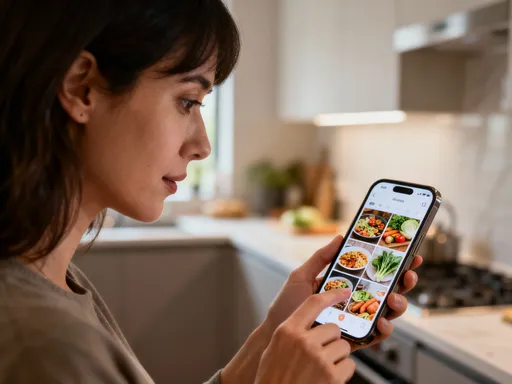
You might be thinking, “This sounds great, but I don’t have time to manage another app.” I thought the same. But setting it up took less than 15 minutes. First, I linked my primary debit card—just like connecting to online banking. No complicated forms, no credit checks. Then I picked two apps: one that worked best with grocery stores and gas stations, and another that offered strong rewards for online shopping. I didn’t want to juggle five apps—just one or two that covered most of my spending.
The key was turning on personalized notifications. That way, I didn’t have to log in daily. The app reached out when it mattered—like when I was near a store with an active offer or when a favorite brand was on sale. I set a weekly reminder on Sunday nights to check my cashback balance and review recent purchases. It took five minutes, and it felt satisfying—like collecting coins from a piggy bank, but digital.
My sister was skeptical when I told her about it. “You actually get paid to shop?” she asked, half-laughing. I showed her how it worked—how the app learned from her habits and rewarded them. Then I asked, “How many times did you buy dog food last month?” She counted: four. “And gas?” Six times. “Online clothes?” Twice. I ran the numbers: with average cashback rates, she could’ve earned $75—just on regular purchases she was making anyway. Her eyes widened. “Wait—that’s like free money?” Exactly. Not free, maybe, but money she’d already spent, now giving a little back.
She downloaded the app that night. No drastic changes. No new habits. Just shopping as usual—with a digital sidekick now quietly working in her favor. A month later, she texted me: “Got $12 back on school supplies. This is weirdly satisfying.” I knew exactly how she felt.
The Ripple Effect on My Family’s Habits
What surprised me most wasn’t just the money saved—it was how it changed the way my family thought about spending. My oldest daughter started noticing the alerts too. “Mom, your app says you’ll get 7% back at the bookstore,” she’d say as we walked past. It became a game—like a treasure hunt for smart choices. And when we reached $300 in total cashback, we used it for a weekend trip to a nearby lake—packed lunches, rented kayaks, the whole thing. That made the savings real. Not just a number on a screen, but a memory we’d bought together.
My partner, who used to roll his eyes at “money apps,” started paying attention. He’d ask, “Is there cashback at the hardware store? I need light bulbs.” I’d check, and more often than not, there was. He began timing small home repairs around active offers. Not because he was desperate to save—he wasn’t—but because it felt good to get something back. It turned mundane tasks into mini-wins.
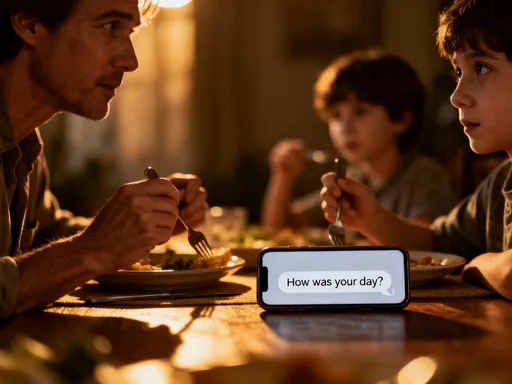
Even our conversations changed. Instead of tense talks about overspending, we started sharing victories. “I got 10% back on the new raincoat.” “I scored cashback on the kids’ sneakers.” It wasn’t about deprivation anymore. It was about awareness and teamwork. We weren’t cutting out joy—we were enhancing it, one smart purchase at a time. And that shift? That was worth more than any dollar amount.
When the App Gets It Wrong—And How I Fixed It
Of course, it hasn’t been perfect. A few months ago, I bought a pack of diapers for a friend who’d just had a baby. For the next three weeks, my app flooded me with baby-related offers—formula, onesies, strollers. I don’t have a baby. I don’t even have a baby plan. I laughed, but it was also a little annoying. It reminded me that while these apps are smart, they’re not mind readers. They learn from data, not context.
But here’s the thing: I could fix it. Most apps have a simple way to adjust your preferences. I went into the settings, flagged a few irrelevant categories, and told it to reduce baby product suggestions. Within a week, the offers shifted back to groceries, gas, and household essentials. I also started manually marking a few purchases as “one-time” to help the system learn. It wasn’t hard—just a few taps, like teaching a new coworker your routine.
This experience actually made me trust the app more. Why? Because it reminded me that I was still in control. The technology supports my life—it doesn’t run it. I decide what to buy, when to shop, and how to use the rewards. The app is just there to help me make the most of it. And that balance—between automation and autonomy—is what makes it feel safe, not sneaky.
More Than Money: Feeling in Control, One Purchase at a Time
When I hit $1,300 in cashback over six months, I didn’t spend it all at once. I split it: part into savings, part on a family dinner, part on a new pair of shoes I’d been eyeing. But the real reward wasn’t the money. It was the quiet confidence that came with it. For years, I’d felt like my spending was a mystery—something that happened to me, not something I directed. Now, I feel like I’m in the driver’s seat.
Knowing that my habits are recognized—and rewarded—has eased a kind of background anxiety I didn’t even realize I carried. I’m not paranoid about every receipt. I don’t dread checking my bank account. Instead, I feel a sense of partnership with my own choices. The app doesn’t judge me for buying coffee or treats for the kids. It just helps me get a little something back for doing what I was already going to do.
And that, I’ve realized, is the power of thoughtful technology. It’s not about flashy gadgets or complicated systems. It’s about tools that understand real life—messy, busy, beautiful life—and quietly make it a little easier. This isn’t about becoming a coupon queen or cutting out every luxury. It’s about fairness. It’s about feeling like the system isn’t working against you, but finally, just a little, working for you.
So if you’ve ever looked at your bank statement and felt that familiar twinge—like money is slipping through your fingers—try giving a personalized cashback app a chance. Not as a fix-all, but as a small ally. Link your card. Turn on notifications. Let it learn. You might be surprised at how much smarter your spending can feel—not because you changed who you are, but because you found a tool that sees you, remembers you, and quietly helps you keep more of what you earn. After all, you work hard for your money. Isn’t it time your wallet worked a little harder for you?