I trust my memory too much — How a password app quietly changed my daily life
We’ve all been there—staring at a login screen, heart racing, trying to remember if it was “Sunset2020” or “Sunset_2021” (was there an underscore?). I used to pride myself on memorizing passwords—until I realized how much time, stress, and frustration that false sense of security was costing me. It wasn’t just about logging in; it was about reclaiming mental space, protecting my family’s data, and finally feeling in control. That moment of panic when I couldn’t access my daughter’s school account during an urgent meeting wasn’t just inconvenient—it was a wake-up call. I thought I was being responsible by remembering everything, but in reality, I was setting myself up for failure. The truth? Our brains aren’t built to juggle dozens of complex passwords. And pretending they are only makes us more vulnerable.
The Moment I Knew My Memory Wasn’t Enough
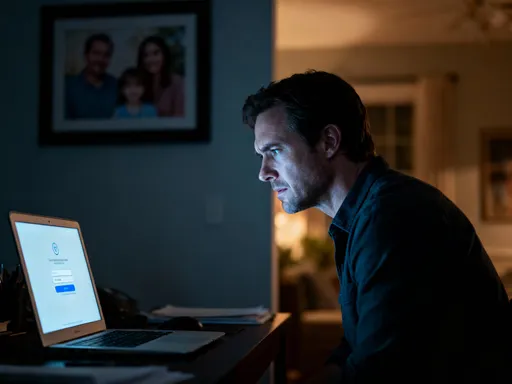
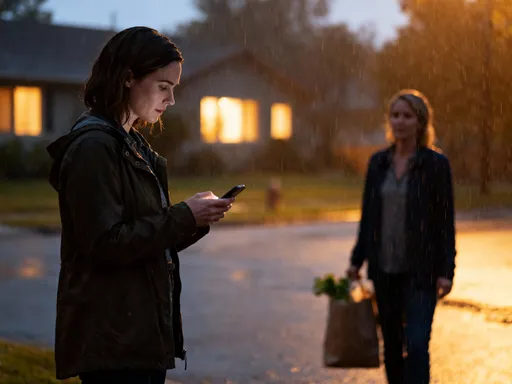
It happened on a rainy Tuesday morning. My daughter’s teacher had scheduled an emergency parent-teacher meeting—something about a sudden change in classroom behavior and a need to review her academic records online. I opened my laptop, heart already thumping, and clicked the link. The school’s portal loaded quickly, and there it was: the login screen. Simple. Just username and password. But my mind went blank. Was it the one with the capital ‘S’ and no numbers? Or the one with ‘2021’ at the end? I tried three variations. Each time, a red message popped up: ‘Incorrect password.’ I tried resetting it, but the recovery email went to an old account I hadn’t used in years. By the time I recovered that, the meeting had already started. I joined late, flustered, apologizing, while my daughter sat beside me, confused and a little embarrassed.
That moment stayed with me. It wasn’t just about missing a meeting. It was about realizing that my so-called ‘strong memory’ had failed me when it mattered most. I had always prided myself on not needing tools like password managers. To me, remembering passwords felt like a sign of responsibility, like keeping my house keys on a neat ring instead of losing them. But this wasn’t about keys—it was about access to my child’s education, our medical records, our finances. I started asking myself: How many other accounts had I locked myself out of? How many times had I clicked ‘forgot password’ and wasted ten minutes resetting things? And worse—how many of those passwords were weak, repeated versions of the same few phrases, just slightly tweaked for different sites? I was putting my family at risk, not out of carelessness, but out of a stubborn belief that I could handle it all in my head.
Why We Lie to Ourselves About Remembering Passwords
We tell ourselves stories to feel in control. One of the biggest ones? ‘I’ll remember it.’ But the truth is, our brains aren’t designed to store 50 different complex strings of letters, numbers, and symbols. Cognitive psychologists have long known that the average person can only hold about seven pieces of information in short-term memory at once. Yet, we’re expected to manage dozens of accounts—email, banking, shopping, streaming, school portals, medical records, utility bills. The mental load is real, and it leads to shortcuts. We reuse passwords. We pick easy ones. We write them down on sticky notes or save them in unsecured documents.
I was guilty of all of it. I had one base password—something like ‘BlueSky7’—and then I’d tweak it: ‘BlueSky7Home’ for my internet provider, ‘BlueSky7Power’ for the electric bill, ‘BlueSky7Netflix’ for streaming. It felt clever at the time. But if one account got hacked, they were all at risk. And that’s exactly what experts warn against. Cybersecurity isn’t just for big companies. Families are targets too. A compromised streaming account might seem minor, but it can be a gateway to more sensitive data. Hackers use automated tools that try common password patterns across thousands of accounts in seconds. If you’re using variations of the same base, you’re not as safe as you think.
The irony? I thought I was being careful by avoiding a password manager. I worried it would be another app to learn, another thing to pay for, another point of failure. But the reality was the opposite. My memory wasn’t the safeguard I believed it to be—it was the weakest link. And I wasn’t failing because I was irresponsible. I was failing because I was human. We all are. The problem wasn’t me. It was the outdated expectation that we should be able to remember everything. Technology is supposed to help us live better, not burden us with impossible mental tasks. Once I accepted that, I was ready to look for a real solution.
Finding the Right App That Felt Like a Natural Fit
I’ll be honest—I didn’t jump into this easily. My first few tries with password managers were frustrating. One felt like it was shouting at me, with pop-ups every five minutes asking me to change this password, update that setting, enable some feature I didn’t understand. Another was so complicated that setting it up took hours, and I still didn’t feel confident using it. I almost gave up, thinking, ‘Maybe this just isn’t for me.’ But then I found one that felt different. It didn’t demand my attention. It didn’t overwhelm me with technical jargon. It just… worked.
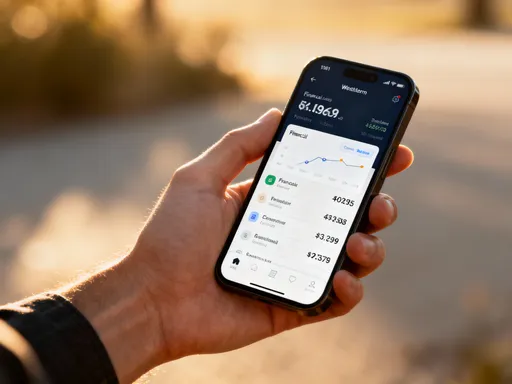
The first thing I noticed was how smoothly it synced across my devices. I added a password on my phone while signing up for a new grocery delivery service, and within seconds, it appeared on my laptop. When I went to log in later, the app filled in the fields automatically. No typing. No stress. It even recognized when I was creating a new account and quietly suggested a strong, random password. I didn’t have to think about it. I just clicked ‘Save,’ and it was done. Over time, it started flagging my old, weak passwords and gently nudged me to update them. I could do it at my own pace—just one or two a week. No pressure. No panic.
What surprised me most was how invisible it became. The best technology, I’ve learned, isn’t the flashiest. It’s the kind that fades into the background and simply makes life easier. This app didn’t take over my routine. It simplified it. I didn’t have to open it every day or remember how to use it. It was just there, quietly doing its job. And because it was so easy, I actually stuck with it. I didn’t abandon it after a week like I had with other productivity tools. It felt less like a security app and more like a personal assistant for my digital life—one that never forgot anything and never judged me for almost locking myself out of my daughter’s school account.
How It Strengthened My Family’s Digital Safety
At first, I thought this was just about me. But then I started noticing how many accounts we shared as a family. The streaming services. The internet and electricity bills. The medical portal where we check lab results and schedule appointments. My partner and I were constantly whispering passwords to each other over the phone or writing them down on scraps of paper. I found sticky notes with login details stuck to the side of the fridge. One time, I even saw a password scribbled on a grocery receipt in the trash. It made me nervous. Anyone could have seen it.
So I gently brought it up with my partner. I didn’t say, ‘You’re doing this wrong.’ I said, ‘I found something that’s made my life so much easier—want to see?’ I showed him how the app could securely share specific logins with him. No more texting passwords. No more sticky notes. Just a simple, encrypted share that only he could access with his own device and master password. He was skeptical at first—‘Isn’t this risky?’—but I walked him through how the encryption worked in plain terms. I explained that the app didn’t store our passwords in a way anyone could read, not even the company itself. It was like having a digital safe where only we had the key.
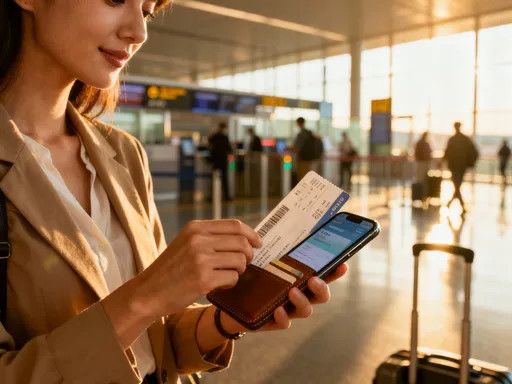
Within a week, we’d moved most of our shared accounts into the system. He started using it for his own work logins too. Our kids are still young, but when they get their own devices, we’ll use the family plan to give them secure, monitored access. The peace of mind is incredible. I no longer worry about someone finding a password on a piece of paper. I don’t stress when my partner travels and needs to pay a bill from his phone. We’re not just safer—we’re more connected in a practical way. We have a system that works for both of us, and it actually brought us closer because we’re finally on the same page about digital safety.
The Unexpected Gift: Mental Clarity and Peace of Mind
I expected the password manager to make me more secure. I didn’t expect it to make me calmer. But that’s exactly what happened. The constant low-level anxiety about forgetting a password—especially for important things like banking or medical records—just faded away. I used to feel a little knot in my stomach every time I saw a login screen. Now, I don’t even think about it. The app fills it in, and I move on. It’s such a small thing, but it adds up. I’ve reclaimed minutes every day—minutes that used to be spent resetting passwords or digging through old emails.
That mental space has made room for other things. I’ve become more consistent with checking our family budget online. I actually take the time to review privacy settings on social media instead of putting it off. I feel more confident when I click on links or download apps because I know my accounts are protected with strong, unique passwords. It’s like clearing out a cluttered drawer—you don’t realize how much it was bothering you until it’s organized. My digital life feels lighter, more intentional. And that sense of control has spilled over into other areas. I’m more proactive about backups. I’ve started using two-factor authentication everywhere it’s available. I even helped my sister set up her own password manager last month.
What I didn’t expect was how emotional this would feel. There’s a quiet pride in knowing I’m protecting my family’s information. It’s not flashy, but it matters. In a world where so much feels out of control—news, traffic, the price of groceries—this is one thing I can manage. I’m not just keeping hackers out. I’m creating a safer, more peaceful home, both physically and digitally. And that peace? It’s contagious. My partner says he feels less stressed too. Our conversations aren’t interrupted by ‘Hey, what’s the Wi-Fi password?’ or ‘Can you log me into the insurance site?’ We’re not just more secure—we’re more present.
Getting Started Without the Overwhelm
I know how intimidating this can feel. When I first looked into password managers, I was overwhelmed by choices. Which one is safe? Do I need to pay? What if I forget the master password? These are real concerns, and they’re completely valid. But here’s what I’ve learned: you don’t have to do it all at once. You don’t need to migrate 50 accounts in a single night. The key is to start small and build momentum.
First, pick a reputable app. Look for one that’s been around for a few years, has good reviews, and uses strong encryption. Many offer free versions that are perfectly fine for individuals. Once you’ve chosen one, the most important step is creating a strong master password. This is the one password you *do* need to remember. Make it long, unique, and meaningful to you—like a phrase from a favorite book or a combination of words that only you would know. Avoid using personal information like birthdays or pet names. Write it down and keep it in a safe place—like your wallet or a locked drawer—while you’re memorizing it.
Next, enable two-factor authentication. This adds an extra layer of security, like entering a code from your phone when you log in from a new device. It takes two minutes to set up and makes a huge difference. Then, start adding your accounts. Begin with one—the one you use most often, like email or a shopping site. Let the app generate a strong password and save it. The next time you log in, it will autofill. Do one a day, or even one a week. Over time, you’ll build a secure, organized system without feeling overwhelmed. The app will help you identify weak or reused passwords and guide you through updating them. It’s not about being perfect. It’s about making progress.
A Small Change That Feels Like a Personal Upgrade
Looking back, switching to a password manager wasn’t just a tech upgrade. It was a personal one. It didn’t disrupt my life—it improved it. I’m not spending mental energy on things that shouldn’t matter. I’m not stressed about forgetting. I’m not putting my family at risk with weak passwords. I’ve gained time, clarity, and confidence. And in a world full of digital noise, notifications, and endless to-dos, that’s priceless.
This isn’t about becoming a tech expert. It’s about using technology the way it was meant to be used—to make life easier, safer, and more peaceful. It’s about giving yourself the gift of mental space. It’s about protecting what matters most. And it’s about realizing that asking for help—from an app, a tool, a system—doesn’t mean you’re failing. It means you’re smart enough to know your limits and strong enough to work with them.
If you’re still relying on memory, I get it. I was there. But I also know what changed for me. It wasn’t just security. It was peace. It was freedom. It was the quiet confidence that comes from knowing you’ve got this. And honestly? That’s a feeling worth downloading an app for.