It’s Not Just About Notes: How Note-Taking Apps Quietly Transformed My Daily Rhythm
Life used to feel like a juggling act—endless to-do lists, forgotten ideas, and moments of inspiration lost in chaos. Then I started using note-taking apps not just to record, but to *live*. They didn’t replace my planner; they reshaped how I think, decide, and breathe through the day. This isn’t about digital organization for its own sake—it’s about how capturing thoughts mindfully helped me regain focus, reduce stress, and finally align my daily rhythm with what truly matters. If you’ve ever felt like your brain is too full, like you’re constantly chasing after thoughts that slip away, this is for you. I’m not a tech expert, just someone who wanted to feel more in control—and found that the answer was already in my pocket.
The Overwhelm Before the App: When Life Felt Like a Leaky Bucket
There was a time when I felt like I was running on a treadmill that kept speeding up. I’d wake up with a clear plan, only to have it unravel by 9 a.m. Grocery lists vanished from the fridge. Promises to call my sister got buried under emails. Ideas for my daughter’s birthday party? Gone by the time I got to the store. I wasn’t lazy—I was drowning in mental clutter. My brain had become a leaky bucket, and no matter how hard I tried, nothing stayed in place.
I remember one morning, I was rushing to pack lunches while on a work call, when my son asked, “Mom, did you remember my science project is due today?” My stomach dropped. I hadn’t. I scrambled to help him finish it in 20 minutes, apologizing the whole time. He was kind about it, but I could see the disappointment. That moment stuck with me. It wasn’t just about the project—it was about how often I felt like I was failing the people I loved because I couldn’t keep track of the small things.
My system back then was a patchwork of sticky notes, napkin scribbles, and voice memos I never listened to. I had lists in my phone, lists on paper, and lists in my head—all different, none complete. I’d spend 15 minutes searching for a single note, only to find it crumpled in my coat pocket from last winter. The emotional toll was real. I felt anxious, scattered, and guilty. I wasn’t present with my family because I was too busy trying to remember what I was supposed to be doing. And the worst part? I thought this was just how life was supposed to feel after 30—busy, overwhelming, and out of sync.
But then I started wondering: what if there was a better way? Not a perfect way, not a magical solution, but something that could help me catch the thoughts before they slipped away? That question led me to my first real experiment with a note-taking app—and it changed everything.
Discovering the Right Tool: More Than Just Digital Paper
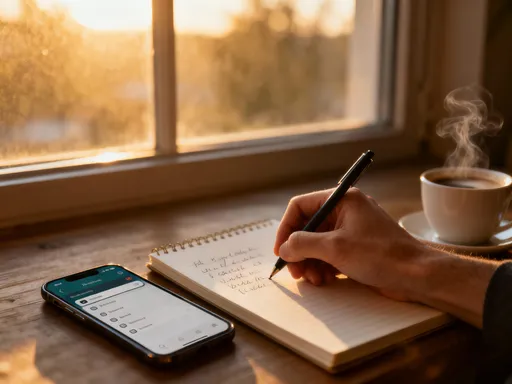
I didn’t set out to become a digital organizer. I just wanted to stop losing things. My first attempt was Apple Notes—simple, already on my phone, no extra steps. I opened it one evening after the kids were in bed and typed, “Things to remember.” I added a few items: “Buy dishwasher tablets,” “Schedule dentist for Emma,” “Call Mom about trip.” The next morning, I opened the app while making coffee and saw the list right there. No searching. No guessing. Just… there. It felt small, but it was the first time in months I’d started a day without that low hum of anxiety.
But Apple Notes had limits. I couldn’t organize well, and I couldn’t search efficiently when things piled up. So I started exploring. I tried Evernote because I’d heard it was powerful. It was—but it felt like using a sports car to drive to the grocery store. Too many features, too much setup. Then I tried Notion, which was flexible but overwhelming at first. I spent hours setting up perfect templates, only to abandon them a week later because they didn’t fit how I actually lived.
What I learned was this: the best app isn’t the fanciest one. It’s the one you’ll actually use. For me, that turned out to be a mix—Apple Notes for quick capture, and Notion for deeper planning. The key wasn’t the tool itself, but how I used it. I stopped trying to build a perfect system and started focusing on one habit: capturing thoughts the moment they came. A recipe idea while scrolling? Saved. A school deadline mentioned in a group chat? Copied into my list. A sweet thing my daughter said? Jotted down before I forgot.
What surprised me was how quickly this small shift changed my mindset. I wasn’t just writing things down—I was telling myself, “This matters. You matter.” The app became a quiet witness to my life, holding the pieces so I didn’t have to. And that made space—for breath, for presence, for actually enjoying the moments instead of just surviving them.
Capturing the Fleeting: How Writing Down Ideas Became a Mindfulness Practice
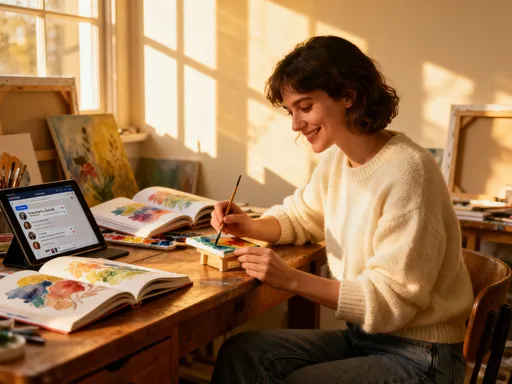
I used to think note-taking was about productivity. But what I discovered was something deeper: it became a form of mindfulness. There’s something about the act of writing—whether typing or using my finger to scribble on the screen—that slows my mind. When I jot down a thought, I’m not just recording it; I’m acknowledging it. I’m saying, “I see you. I hear you. I’ll come back to you.”
Take last week, for example. I was walking the dog at sunset, feeling tired after a long day, when a line popped into my head: “Peace isn’t the absence of noise, but the presence of clarity.” I pulled out my phone and typed it into my notes. It wasn’t a task. It wasn’t urgent. But it felt important. And in that moment, I wasn’t just capturing a quote—I was grounding myself. I stopped. I breathed. I listened to my own inner voice.
This kind of moment happens more often now. Before bed, I open my notes app and write three things I’m grateful for. Sometimes it’s “the smell of fresh coffee,” sometimes “my son’s laugh during dinner.” These aren’t to-do items—they’re life items. And by writing them down, I’m not just remembering them; I’m savoring them. Research shows that writing things down strengthens memory and emotional processing, and I can feel it. My mind feels quieter, more settled.
I’ve also noticed that capturing ideas as they come—without judgment, without pressure—has unlocked creativity I didn’t know I had. I used to think I wasn’t “creative,” but now I see that creativity isn’t about grand projects. It’s about noticing. It’s about the little connections: a recipe idea sparked by a conversation, a blog post idea from a walk in the park. By giving these fleeting thoughts a home, I’m honoring my own curiosity. And that, in turn, makes me feel more like myself.
From Chaos to Clarity: Organizing Knowledge So It Actually Helps
Having notes is one thing. Being able to find them is another. I used to save things but never look back. Then I realized: a note you can’t find is almost worse than no note at all. So I started building simple systems that worked for me—not rigid, not perfect, but functional.
I began with tags. Instead of folders that felt like filing cabinets, I started using labels like #recipes, #school, #family-trips, #self-care. Now, when I’m at the grocery store and can’t remember if we needed almond milk, I search “#recipes” and find the smoothie list from last week. When my daughter’s teacher mentioned a book in a meeting, I searched “#school” and found the note from two months ago. It’s like having a second brain that actually remembers.
I also started a daily journal in my notes app. Every morning, I write a quick log: what I need to do, how I’m feeling, one intention for the day. At night, I add a few lines about what went well. It’s not a diary with deep reflections—just a snapshot. But over time, I’ve gone back and read old entries, and it’s been eye-opening. I’ve seen patterns: I’m more patient on days I’ve had quiet time in the morning. I’m more creative when I’ve taken walks. I make better decisions when I’ve written things down first.
This personal knowledge base has changed how I show up in the world. I remember my friend’s dog had surgery last month and ask how he’s doing. I prepare for work meetings with clear notes instead of scrambling. I even started a small blog using ideas I’d saved over time. The best part? I’m not trying to impress anyone. I’m just using what I’ve collected to live more intentionally. And that feels powerful.
The Ripple Effect: How Better Notes Improved My Relationships and Work
Here’s what I didn’t expect: better notes made me a better listener. When I stopped worrying about forgetting what people told me, I could actually be present in conversations. My sister mentioned her job interview was coming up. I made a note to follow up in a week. When I texted her afterward, she said, “You’re the only one who remembered to ask how it went.” It wasn’t magic—I just had a system.
At work, the change was just as real. I used to walk into meetings with a notebook full of scribbles I could barely read. Now, I come prepared with clear agendas and action items saved in my app. I follow up on promises—“You said you’d send that file,” I’d say, and instead of panicking, I’d pull it up instantly. My colleagues started saying, “You’re so organized.” But I wasn’t doing anything special. I was just using tools to support my natural care and attention.
With my family, the difference has been even deeper. I used to forget small things—my son’s soccer game time, the date of my anniversary with my husband. Now, I set reminders and tag important moments. But more than that, I’m more present. Because my brain isn’t busy holding onto details, I can focus on the moment. I can laugh at my daughter’s jokes instead of mentally calculating what’s for dinner. I can listen to my husband without thinking about my to-do list.
And here’s a secret: using notes has helped me set boundaries. I used to say “yes” to everything because I was afraid I’d forget if I didn’t do it right away. Now, I can say, “Let me check my notes and get back to you.” That pause gives me space to decide what truly matters. It’s not about doing more—it’s about protecting my energy so I can show up fully for what I’ve already committed to.
Building a Sustainable Habit: Making Note-Taking Effortless and Natural
I’ll be honest: I didn’t stick with this at first. I’d start strong, then life got busy, and the app would sit untouched for days. What finally made it stick wasn’t discipline—it was design. I made the habit as easy as possible.
First, I put the notes app on my home screen. No digging through folders. One tap, and I’m in. I also turned on voice-to-text. Now, if I’m driving or folding laundry, I can say, “Note to self: order birthday candles for Emma,” and it appears instantly. I’ve even set a daily reminder at 8 a.m. to review my notes with my coffee. It’s become part of my morning ritual—like brushing my teeth, but for my mind.
I also stopped aiming for perfection. I don’t write full sentences. I don’t organize everything right away. Sometimes my notes are messy: “Pick up dry cleaning ??? School pickup changed???” But it works. The goal isn’t a beautiful system—it’s a working one. I’ve learned to capture the essence, not the details. And if I miss something? I forgive myself. The habit isn’t about never forgetting—it’s about creating a safety net so forgetting doesn’t feel like failure.
One of my favorite tricks is the “inbox” note. I have one folder called “Inbox” where everything goes—ideas, tasks, quotes, links. Once a week, I spend 15 minutes sorting it: delete what’s irrelevant, move what’s important, act on what’s urgent. It’s like cleaning a drawer, but for my mind. And each time I do it, I feel lighter.
The truth is, this isn’t about technology. It’s about care. Every time I open that app, I’m choosing to care for my future self. I’m saying, “You deserve to be remembered. You deserve to be supported.” And that small act of kindness has changed how I move through the day.
A Calmer, More Intentional Life: The Unexpected Gift of Digital Notes
If I could go back and tell my overwhelmed self one thing, it would be this: you don’t have to hold it all in your head. You don’t have to be perfect. You just need a place to let things land safely. That’s what my note-taking app has become—a soft place for my thoughts to fall.
The biggest change isn’t that I get more done. It’s that I feel more like myself. I’m calmer. I’m more present. I’m more creative. I laugh more. I worry less. I’m not chasing my tail—I’m walking through my days with a quiet confidence that I’ve got this. Not because I’m superhuman, but because I’ve given myself the tools to be human—fully, gently, intentionally.
I used to think technology was cold, impersonal. But used mindfully, it can be one of the most human things we have. My notes app isn’t just a tool. It’s a companion. It holds my dreams, my to-dos, my grocery lists, and my gratitude. It helps me sync with my natural rhythms—when I’m energetic, I plan. When I’m tired, I rest. When I’m inspired, I capture.
And in a world that never stops moving, that’s a kind of peace. It’s not about doing more. It’s about being more with what you do. It’s about showing up for your life, not just managing it. So if you’re feeling scattered, if your mind feels too full, if you’re tired of forgetting what matters—try this. Open a note. Write one thing down. Just one. See how it feels to let it go, knowing it’s safe. You might be surprised how much lighter you feel. Because sometimes, the simplest tools bring the deepest change.