Tested 14 interest-based learning apps for 6 months: The one that finally made healthy habits stick
Have you ever tried to learn something new—like cooking healthier or moving more—only to lose motivation after a few days? I’ve been there. But last year, I discovered an app that quietly changed how I build habits. It didn’t feel like learning; it felt like exploring what I already loved. Over time, small daily nudges added up. I moved more, ate better, and actually enjoyed it. This isn’t about discipline—it’s about designing learning that fits your life.
The Burnout Problem: Why Learning Feels Like a Chore
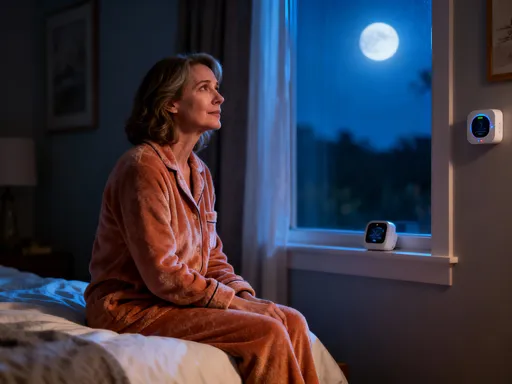
Let’s be honest—how many times have you started a new habit with real excitement, only to feel drained by the third day? You download a fitness app, promise yourself morning workouts, and even lay out your exercise clothes the night before. But then life happens. The kids need breakfast, the dog needs a walk, and suddenly, that 6 a.m. session slips away. By Friday, you’re already calling it a failed experiment.
This isn’t failure. This is burnout disguised as motivation. We’ve been taught that self-improvement has to be hard—that real change comes from pushing through discomfort, strict schedules, and relentless tracking. But here’s the truth: when learning feels like a chore, we resist it. Our brains aren’t wired to respond well to pressure, especially when it comes from within. We don’t need more discipline. We need a better design.
Think about the last time you tried a meditation app. You sat quietly for five minutes, proud of yourself—until the app reminded you that you’d “missed” yesterday’s session. Suddenly, peace turned into guilt. Or remember that nutrition tracker that made you log every bite? It didn’t help you eat better—it made you dread dinner. These tools, though well-intentioned, often amplify the very stress they’re meant to reduce.
The problem isn’t the goal. It’s the method. Traditional learning apps operate like strict teachers: they measure, judge, and remind you of what you didn’t do. They assume motivation is a muscle you can flex daily. But for most of us—especially those of us juggling family, work, and personal time—willpower is a limited resource. We don’t need another task. We need something that fits into our lives, not fights against them.
A Shift in Mindset: Learning as Curiosity, Not Duty
What if, instead of forcing yourself to “eat clean” or “move more,” you started with what already lights you up? That’s the heart of interest-led learning. It’s not about discipline. It’s about curiosity. And curiosity, unlike duty, doesn’t drain you—it energizes you.
Imagine this: you love cooking, not because you’re chasing a diet, but because you enjoy the rhythm of chopping vegetables, the smell of garlic hitting hot oil, the way a simple meal brings people together. Now, what if an app didn’t tell you to “cut carbs” but instead shared a short story about how tomatoes were once feared as poisonous? Or explained why sautéing onions slowly makes them sweeter? That kind of knowledge doesn’t feel like homework. It feels like a delightful secret.
And here’s the beautiful part: when you learn because you’re interested, healthy choices start to follow naturally. You begin to care about where your ingredients come from. You notice how certain foods make you feel. You experiment with new recipes not because you “should,” but because you’re curious. The habit isn’t forced—it grows.
This shift—from “I should” to “I wonder”—is powerful. One mom I spoke with told me she never stuck with yoga apps until she found one that shared the history of mindfulness in everyday life. Learning about how breathing techniques helped factory workers in the 1920s manage stress made her view her own practice differently. It wasn’t self-improvement. It was connection. And that made all the difference.
Interest-led learning meets you where you are. It doesn’t ask you to become someone else. It helps you become more of who you already are—just with a little more joy, energy, and understanding.
How Interest-Based Apps Work: The Gentle Engine of Growth
So how do these apps actually work? They’re not about tracking your failures or shaming you for missed days. Instead, they function more like a thoughtful friend who knows what you love and gently introduces you to something new.
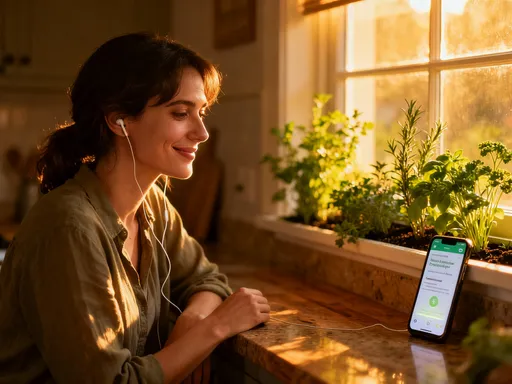
Here’s how it feels: you open the app, and instead of a checklist, you see a 4-minute audio titled “Why Your Garden Makes You Happier.” You’re a weekend gardener, so you tap it. As you listen, you learn that certain plants release compounds that reduce stress. You didn’t set out to improve your mental health—but you just did.
These apps use smart design to make learning feel effortless. They collect subtle clues about your preferences—what you click on, how long you spend on a lesson, what topics you return to—and then tailor content accordingly. No quizzes. No points. No leaderboards. Just gentle nudges toward things that spark your interest.
For example, if you enjoy reading about travel, the app might share a short piece on how people in Japan start their day with mindful movement. That leads you to try a five-minute morning stretch. Not because you’re being told to, but because you’re curious about their routine. Or if you love coffee, you might get a fun fact about how caffeine affects your brain—and how timing your cup can boost your focus without the crash.
The technology behind these apps isn’t flashy. It doesn’t rely on complex algorithms or aggressive notifications. It’s designed to be unobtrusive. You might get a soft reminder: “Want to know why humming while you cook is good for your nervous system?” And if you’re busy, you skip it. No guilt. No penalty. The app waits for you.
This is the opposite of traditional habit trackers. Instead of measuring what you didn’t do, it celebrates what you discovered. And over time, those small moments add up. You’re not just learning facts—you’re building a mindset that values well-being as a natural part of life, not a separate project.
My 6-Month Test: From Skeptic to True Believer
I’ll admit—I didn’t believe in these apps at first. I’ve tried so many wellness tools over the years. Some were too rigid. Others felt like digital classrooms. A few were just plain boring. So when a friend suggested I try an interest-based learning app, I rolled my eyes. “Another app telling me to meditate?” I thought.
But I gave it a shot. I committed to testing 14 different apps over six months. Some focused on mindfulness, others on fitness or nutrition. Most followed the same pattern: set a goal, track progress, earn badges. They were efficient, but cold. I felt like I was back in school, turning in assignments I didn’t care about.
Then I found one that was different. It didn’t ask me to set a goal. Instead, it asked me to pick three things I enjoy: cooking, walking in nature, and listening to music. That was it. No fitness level, no weight, no age. Just interests.
Within days, I started getting short, playful lessons. One morning, I got a 5-minute audio about the science of rhythm and how dancing—even while doing dishes—can improve mood. I laughed, but I tried it. I put on a favorite song and swayed while scrubbing pans. It felt silly, but also freeing.
Another time, I received a story about how people in Kyoto brew tea as a form of meditation. I’ve always loved tea, but I never thought of it as a mindfulness practice. The next day, I slowed down my morning routine. I warmed the cup, inhaled the steam, and actually tasted my drink. It wasn’t a big change—but it felt meaningful.
Over the months, I noticed subtle shifts. I started taking walks not because I “needed exercise,” but because I was curious about a lesson on birdsong and mental clarity. I tried new recipes after learning about fermentation and gut health. I wasn’t chasing results. I was following my curiosity. And yet, the results came: I had more energy, I slept better, and I felt more present with my family.
The app didn’t transform me overnight. It didn’t promise miracles. But it made growth feel inviting, not intimidating. It wasn’t a coach. It was a quiet companion on a journey I already wanted to take.
Building Real Habits Without the Pressure
Here’s what I’ve learned: lasting change doesn’t come from intensity. It comes from consistency without strain. And the best way to stay consistent? Make it enjoyable.
Interest-based learning apps help you build habits by making knowledge part of your day—not an extra task. A 3-minute lesson on deep breathing can fit into your commute. A fun fact about hydration can pop up while you’re waiting for the coffee machine. These aren’t big time commitments. They’re small moments of connection with yourself.
And because the content is tied to what you love, you actually want to engage. You’re not learning because you’re being told to. You’re learning because it feels good. That’s the key difference.
One busy mom I talked to said she started using the app while folding laundry. She’d listen to a short lesson about how sunlight affects mood. It didn’t change her schedule—but it changed how she saw her morning walk with the kids. She began noticing the light, the colors, the way her body felt. That awareness led her to take those walks more often—not out of obligation, but because she enjoyed them.
That’s how real habits form. Not through force, but through gentle alignment. The app doesn’t replace your life. It enhances it. It helps you see your daily routines—cooking, walking, resting—as opportunities to grow, not chores to optimize.
And the best part? There’s no pressure to “catch up” if you miss a day. Life happens. Kids get sick. Work gets busy. The app doesn’t punish you. It simply waits, ready when you are. That flexibility is what makes it sustainable.
Sharing Growth: How Learning Together Strengthens Connections
Growth doesn’t have to be a solo journey. In fact, it’s often more meaningful when shared. One of the most unexpected benefits of using this app was how it brought me closer to my family.
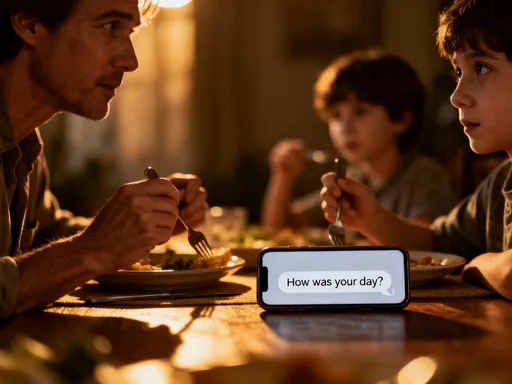
One evening, I shared a fun fact I’d learned: did you know that laughter reduces stress hormones? My daughter thought it was hilarious, so we spent dinner trying to make each other laugh. It turned into a game. We were still talking and connecting—but now, it felt intentional.
Another weekend, I tried a 10-minute stretch routine I’d learned through a lesson on posture and energy. My husband joined me. We weren’t “exercising.” We were just moving together, laughing at our stiff joints. But that small moment created a new ritual—one we still do on Saturday mornings.
These apps can become conversation starters, not just personal tools. You might share a fact about how smell affects memory and end up baking your grandmother’s cookies with your kids. Or talk about how music influences focus and start a family playlist for quiet time. Learning becomes a bridge, not a barrier.
Even in friendships, it works. I started a small “curiosity chat” with two close friends—we share one thing we learned each week. It’s not about achievement. It’s about connection. And in a world that often feels rushed and disconnected, these moments matter.
When self-improvement becomes shared discovery, it stops feeling selfish. It becomes a way to show up more fully for the people you love.
The Bigger Picture: Small Lessons, Lasting Change
After six months, I can say this with certainty: the right tool doesn’t just teach you something new. It changes how you see yourself.
I’m not perfect. I still have days when I’m tired, overwhelmed, or just not in the mood to learn. But now, I don’t see those days as failures. I see them as part of the rhythm of life. And when I return to the app, it doesn’t scold me. It welcomes me back with something interesting, something light, something that feels like a gift—not a demand.
The changes I’ve experienced aren’t dramatic. I haven’t lost 20 pounds or run a marathon. But I have more energy. I feel calmer. I make choices that support my well-being—not because I’m forcing myself, but because I understand them. And that makes all the difference.
What I love most is that this journey didn’t require a lifestyle overhaul. It didn’t ask me to wake up at 5 a.m. or give up my favorite foods. It simply helped me see my existing life through a new lens. Cooking became a chance to learn about nutrition. Walking became an opportunity to practice mindfulness. Even folding laundry became a moment to listen and reflect.
In the end, it’s not about the app. It’s about designing a life where growth feels natural, not forced. Where learning isn’t a task, but a joy. Where healthy habits aren’t something you struggle to maintain, but something you’re drawn to—because they’re connected to who you are.
If you’ve ever felt burned out by self-improvement, I want you to know there’s another way. It’s not about pushing harder. It’s about aligning smarter. It’s about letting your curiosity lead the way. And sometimes, it only takes a five-minute lesson to start a lifetime of change.